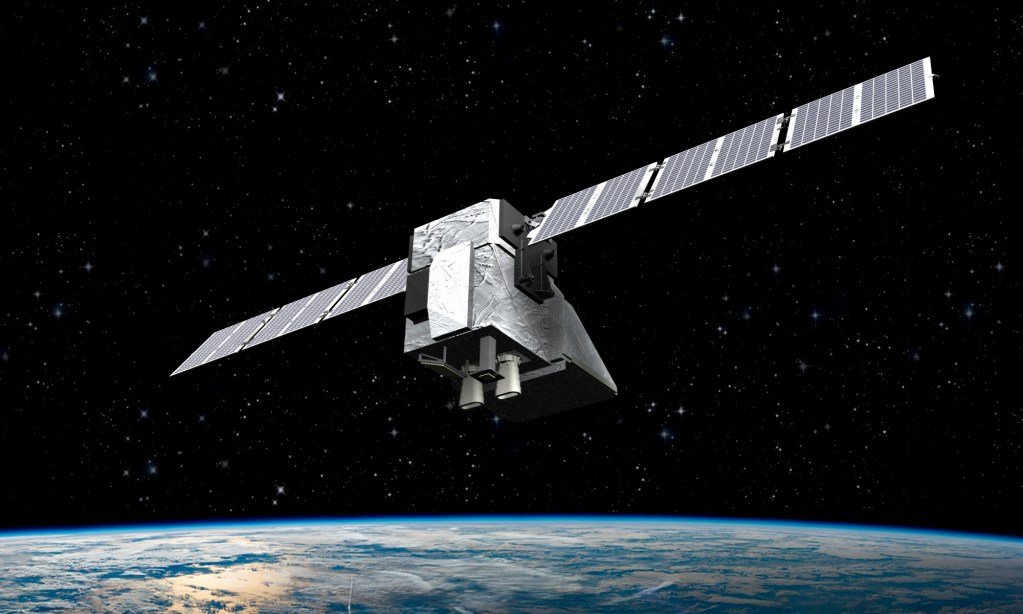
A Setback for Space and Our Planet
Imagine launching a satellite into space. This isn’t just any satellite though. This one has an important job. It’s designed to measure methane emissions. This job is crucial for understanding how our planet is changing and how we can help protect it. Unfortunately, things don’t always go as planned. That’s what happened with the MethaneSAT, a privately funded satellite that aimed to monitor our planet’s methane emissions but failed in its mission after spending just over a year in orbit.
What Happened to MethaneSAT?
Being a satellite isn’t easy. First, you have to survive the long, rough trip into space. And then, once you’re there, you have to perform your job well, battling cold, heat, and space debris while you’re at it. MethaneSAT was only a little more than a year into its planned mission when things went awry. While experts are trying to understand the reason behind its premature failure, the fact remains that MethaneSAT’s crucial environmental monitoring work has been unexpectedly cut short.
What Does This Mean for Us?
Despite this setback, it’s important for us to not lose heart and continue our efforts to understand and protect our planet. After all, technology can sometimes fail us, but it’s our determination and will that push us forward. The failure of MethaneSAT is a reminder of the challenges we face in space exploration and environmental protection. But it also motivates us to learn from these experiences and strive to do better in the future. Our planet and future generations are depending on us.
The MethaneSAT story is all about perseverance, learning from failure, and the seriousness of our responsibility towards our planet. Even faced with this setback, we will continue to strive for a better understanding of our planet’s health and find new ways to protect it.