Why the Space Industry Prefers Single-Use Satellite Model Over New Technologies
In the fast-paced world of technological advancements, surprisingly, the space industry sticks firmly to the single-use satellite model. Despite the emergence of various sophisticated technologies, there appears to be a hesitant approach towards the adoption of orbital servicing capabilities, as per a recent GAO report. This laggard approach in embracing new technologies is quite an intrigue.
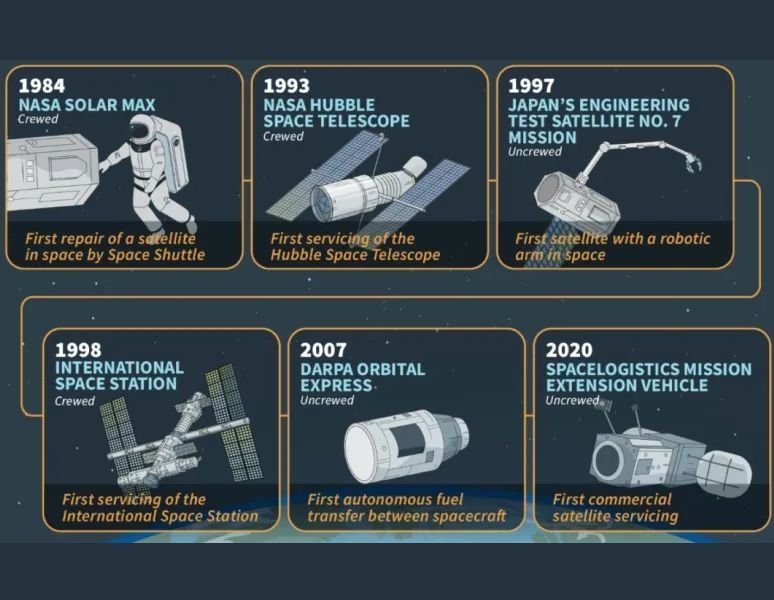
Orbital servicing capabilities refer to those technological advancements that can offer repairs, maintenance, and upgrade services to satellites while they’re in orbit. The idea is to extend a satellite’s lifespan, and reduce the need for regular, costly launches of new ones. But it seems the space industry is stubborn in its attachment to the single-use satellite model—deploy a satellite, use it till its life ends, then replace it with a new one.
So, what is the catch? Why does this industry hold back from such promising technological growth? Many might argue it’s the fear of failure associated with new technology, the high costs involved, or perhaps a lack of clear regulatory rules. Or is it simply because the old ways have always worked and changing them would require time, effort, and breaking down established norms? The motive behind this trend remains speculative and suggests further exploration for conclusive answers.
This scenario paints a vivid picture of the space industry’s reluctance to change, a characteristic not typically associated with this sector. However, it also signals potential opportunities for disruptors who are willing to challenge the status quo and pioneer the integration of orbital servicing capabilities to transform the satellite business model.
Source: SpaceNews